Image
Image
Image
cloth bank settlement
Protecting the environmentLocation
bhainsepati chowk
Date
January, 2025-26
Beneficiaries
200,000
Rotarian Involvement
12
Non-Rotarian
58
Project Details
Club
Sainbu Bhainsepati
Month
January
Fiscal Year
2025-26
Category
Protecting the environment
Project Description
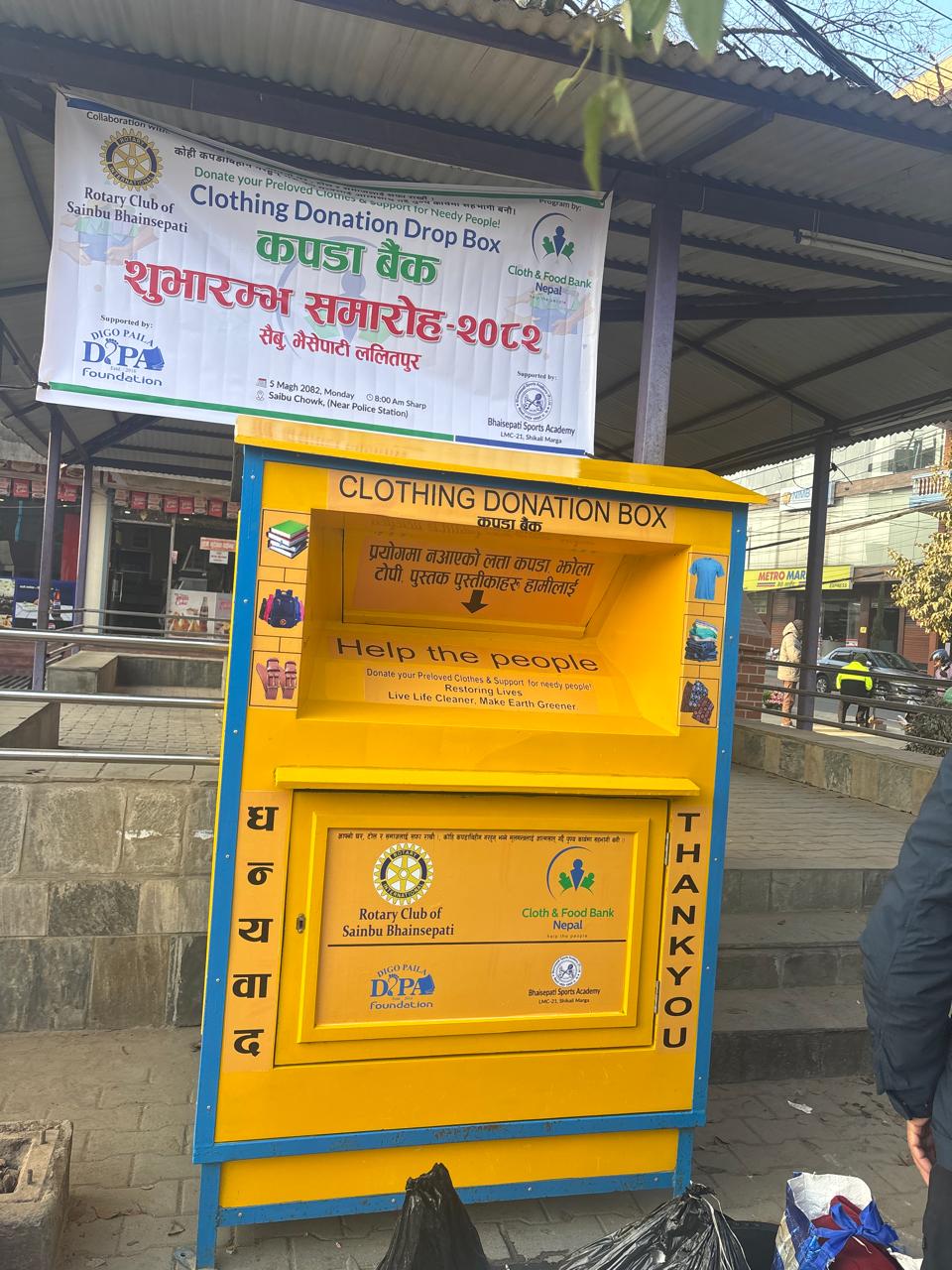
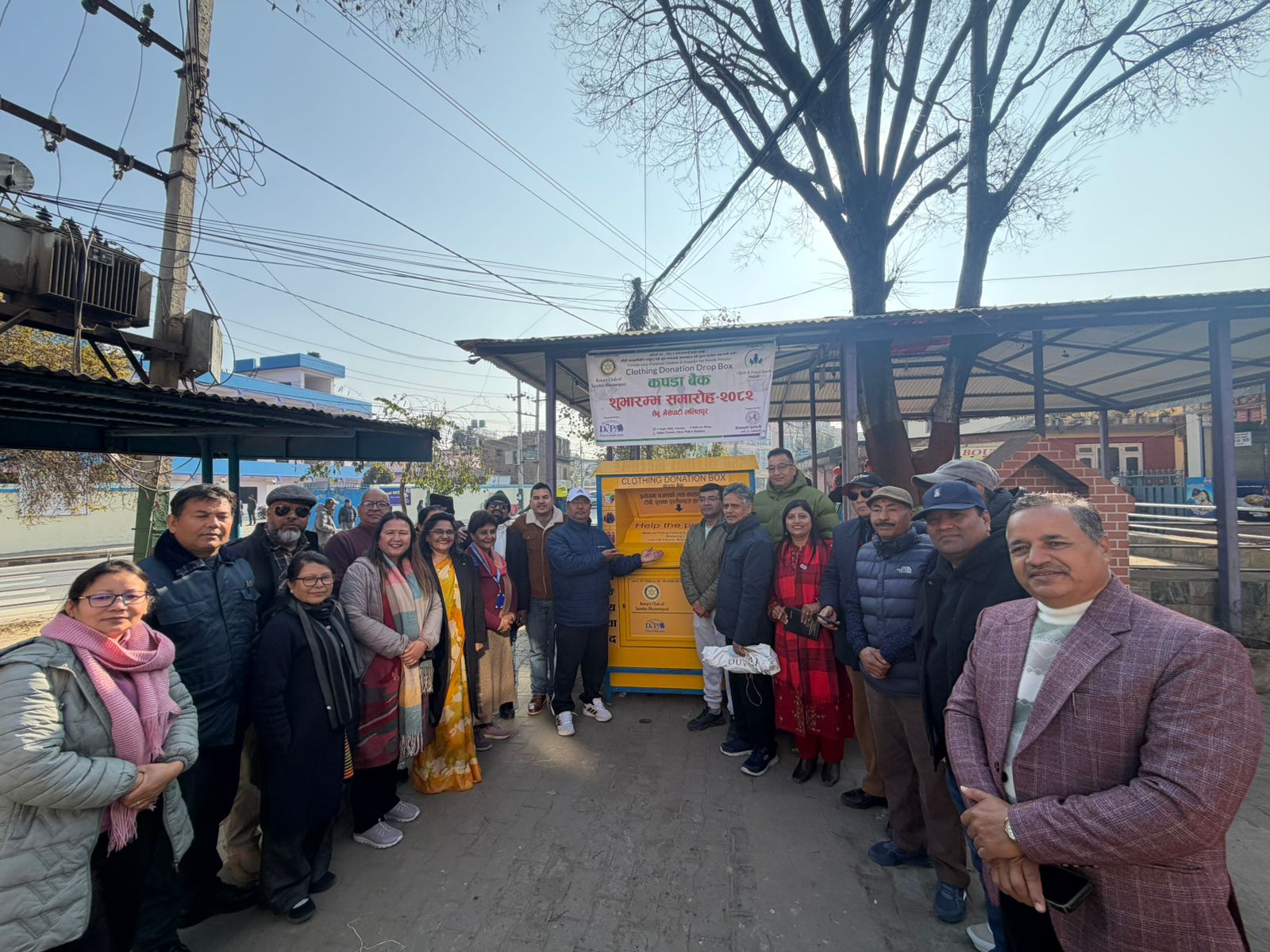
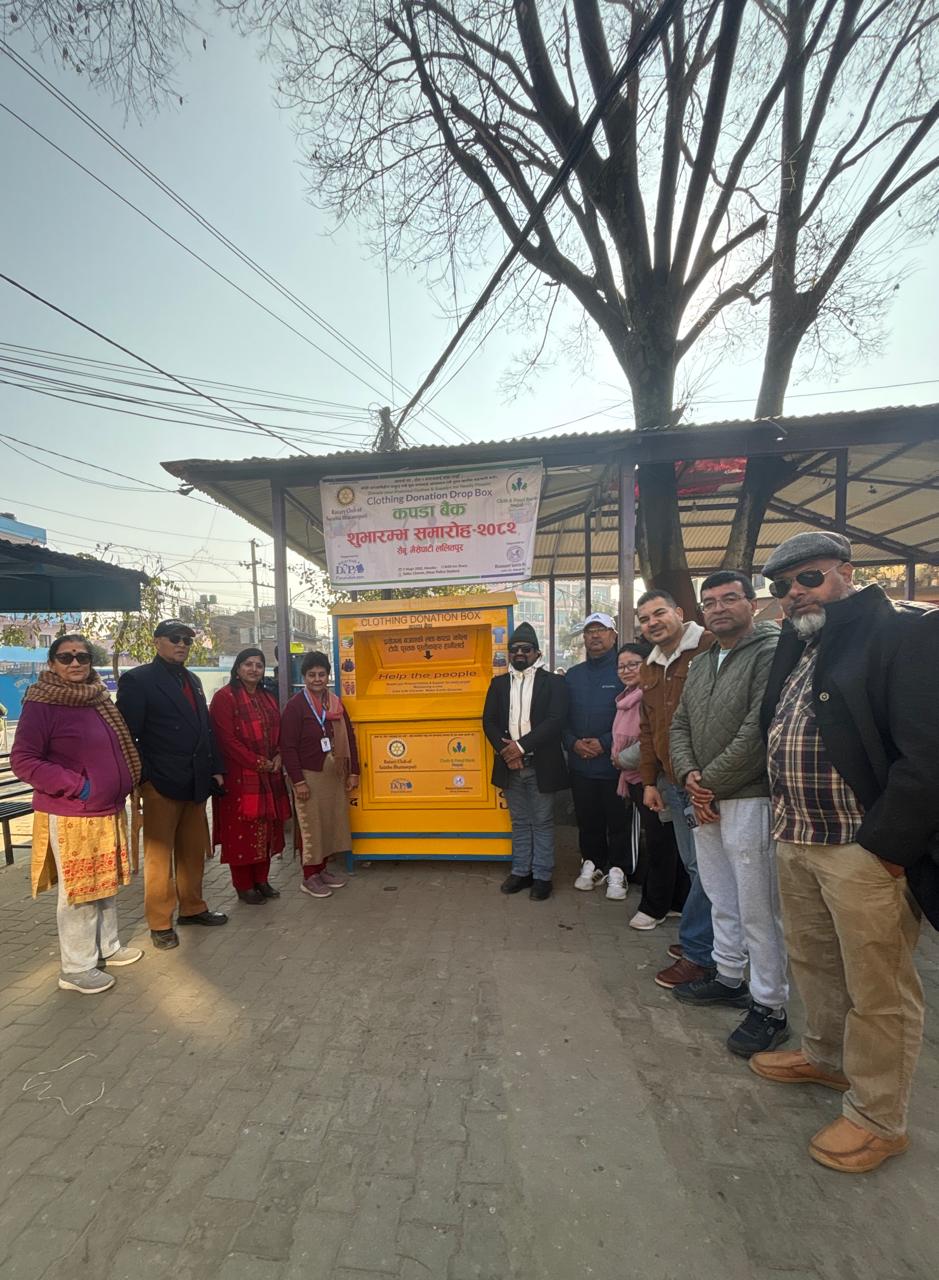
The Cloth Bank established at Bhainsepati is a pioneering social initiative led by the Rotary Club of Sainbu Bhainsepati in collaboration with Cloth and Food Bank Nepal, Bhaisepati Sports Academy, and Digo Paila Foundation. This project stands out for its strong focus on sustainability, dignity, and community welfare, making it a model for responsible social development.
The key specialty of this cloth bank lies in its sustainable approach. Instead of distributing new clothes, it emphasizes recycling and refining donated garments. Collected clothes are cleaned, repaired, and made wearable before being distributed to those in need, reducing textile waste while meeting basic human needs.
This cloth bank is the first of its kind in the Lalitpur District, marking a significant milestone in community-based social service. The initiative aims to benefit approximately 200,000 people, directly and indirectly, through access to affordable and dignified clothing.The project was successfully implemented with a total budget of Rs. 73,600, demonstrating that impactful community initiatives can be achieved through efficient resource utilization and collaboration.
The primary beneficiaries include underprivileged families, daily wage workers, disaster-affected individuals, and economically marginalized communities who lack access to basic clothing necessities.
The Cloth Bank Settlement has created a positive social and environmental impact by promoting reuse, reducing waste, and fostering a culture of sharing. It enhances community resilience, supports sustainable living, and restores dignity to needy individuals. Overall, this initiative represents a meaningful step toward long-term sustainability and inclusive community development.
The key specialty of this cloth bank lies in its sustainable approach. Instead of distributing new clothes, it emphasizes recycling and refining donated garments. Collected clothes are cleaned, repaired, and made wearable before being distributed to those in need, reducing textile waste while meeting basic human needs.
This cloth bank is the first of its kind in the Lalitpur District, marking a significant milestone in community-based social service. The initiative aims to benefit approximately 200,000 people, directly and indirectly, through access to affordable and dignified clothing.The project was successfully implemented with a total budget of Rs. 73,600, demonstrating that impactful community initiatives can be achieved through efficient resource utilization and collaboration.
The primary beneficiaries include underprivileged families, daily wage workers, disaster-affected individuals, and economically marginalized communities who lack access to basic clothing necessities.
The Cloth Bank Settlement has created a positive social and environmental impact by promoting reuse, reducing waste, and fostering a culture of sharing. It enhances community resilience, supports sustainable living, and restores dignity to needy individuals. Overall, this initiative represents a meaningful step toward long-term sustainability and inclusive community development.
Project Costs
| Description | Amount (NPR) | '\\total | Rs. 73,600.00 | 'Total | Rs. 73,600.00 |
|---|